Choosing the Right Lot for a Custom Home in the South Carolina Lowcountry
October 2026
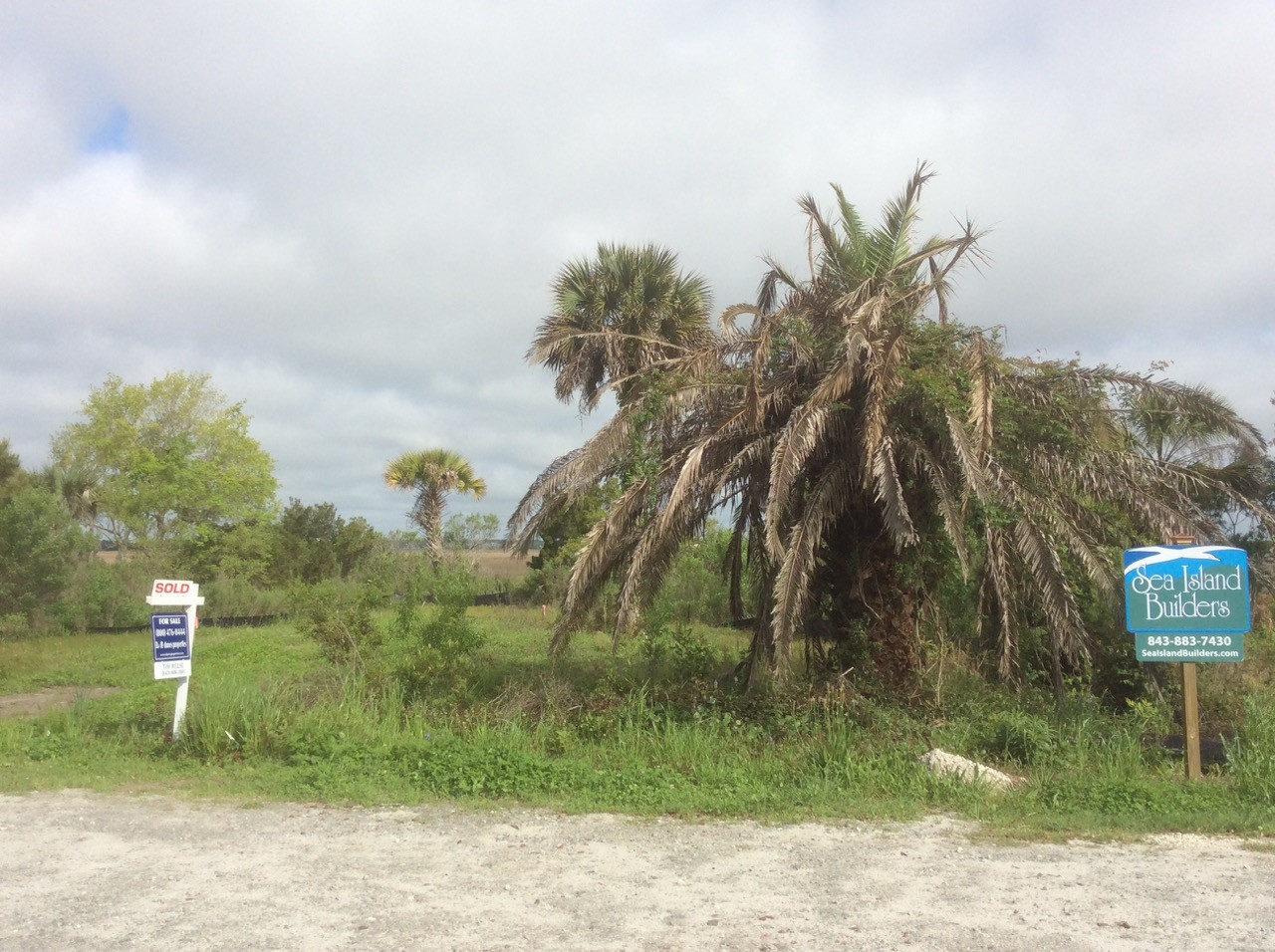
The most consequential decision in a custom home build is not the floor plan, the finishes, or the square footage. It is the land.
A well-chosen lot gives a great architect the raw material to design something exceptional. A poorly chosen lot creates constraints, physical, legal, and regulatory, that no design can fully overcome. For buyers considering a custom home on Sullivan's Island, Johns Island, Kiawah Island, or anywhere in the Charleston Lowcountry, lot selection is where building well begins.
This guide walks through the factors that matter most, and the ones that are easiest to miss before you buy.
Before anything else, learn which FEMA flood zone the lot sits in. The designation determines the Base Flood Elevation (BFE), the height to which the lowest floor of a new home must be built, and local jurisdictions often require additional height above it. That single number shapes the foundation type, how the ground level can be used, the stair and entry sequence, construction cost, and flood insurance premiums.
Lots in AE zones sit in the Special Flood Hazard Area and must be elevated. VE zones, found along the oceanfront and other areas exposed to wave action, carry stricter requirements still. Zone X is lower risk, but in the Lowcountry lower risk is not no risk.
Occasionally a lot is mapped more conservatively than its actual ground elevation. A Letter of Map Amendment (LOMA) can correct that, but it is a process to pursue deliberately, not one to assume. Our guide to FEMA Base Flood Elevation and your custom home build covers the details.
Every municipality in the Lowcountry has its own rules. Sullivan's Island, Johns Island, Mt. Pleasant, and Kiawah Island each define setbacks from the road, from side and rear property lines, and from tidal wetlands differently. Lot coverage maximums then limit how much of the site can be built on, and the pool, garage, and accessory structures count against it.
On oceanfront lots, the State's coastal setback line, administered by the South Carolina Department of Environmental Services' Office of Ocean and Coastal Resource Management (OCRM), establishes how close to the beach a structure can sit. It is not negotiable, and it can move the buildable area farther than the survey suggests.
The practical lesson: a lot's size is not its buildable size. Have an architect or builder run the numbers before you close.
Evaluate soil and site conditions
Lowcountry soil is typically sandy, with a high water table, and that has real consequences for the foundation. Depending on the site and flood zone, the answer may be pilings, an elevated crawl space on piers, or a slab, and the cost difference between them is significant.
A geotechnical report tells you what is beneath the surface and what it will take to build on it. When the contract allows, it is worth requiring before closing.
Look above ground as well. Many Lowcountry municipalities regulate the removal of protected trees, particularly mature live oaks, and a canopy that makes a lot beautiful can also dictate where a house can go. Confirm the local rules early. Then watch the site in a heavy rain: where the water goes tells you more about drainage than any plat.
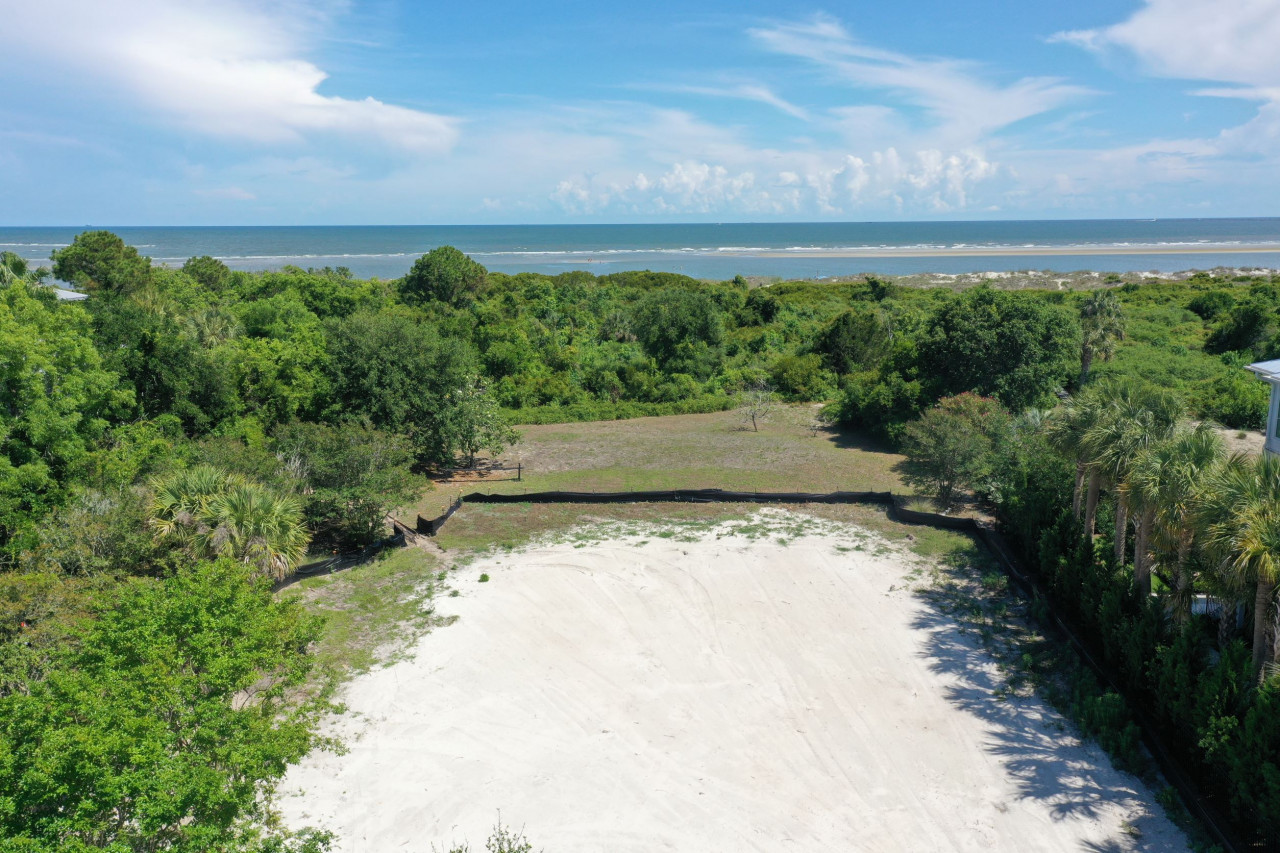
Utility access varies widely across the Lowcountry, and it affects both budget and design. Municipal water and sewer are not available everywhere, so a well, a septic system, or both may be part of the plan, each with its own permitting and site requirements.
Ask whether service lines are overhead or underground, since coastal exposure and storm risk make that more than a cosmetic question. If the project includes EV charging, a whole-home generator, or a large pool, confirm that electrical service capacity can support it. Fiber and reliable internet, once an afterthought, are now a design-phase question for many households.
Orientation governs how a home lives. Before the design begins, it is worth asking where the morning light will enter and which rooms will catch the sunset glow. Solar exposure also affects heating and cooling loads, how much glazing makes sense, and whether the outdoor living spaces can be used in July.
Then consider the wind. In the Lowcountry, the prevailing summer breeze arrives from the southwest, and how a home takes advantage of it is one of the first questions to ask of a lot. It is a strong argument for how a porch should face, and for where a courtyard, an open window line, or a shaded outdoor room should sit, so the house is cooled by the breeze rather than closed against it.
The most valuable conversation in lot selection happens before the purchase. A builder who knows the local regulatory environment can identify red flags that never show up in a listing: a flood zone that will drive foundation costs, a setback that cuts the buildable area in half, soil conditions that call for pilings.
This is where a design-build firm earns its place. With an architect and licensed builders on the same team, a lot can be assessed for design potential and construction reality at the same time, before there is a commitment. Sea Island Builders offers pre-purchase consultations for buyers considering a custom home in the Charleston Lowcountry.
- Buying for the view without checking the Base Flood Elevation.
- Waiting until the architect runs the numbers to learn the setbacks.
- Closing without a geotechnical report.
- Assuming lot coverage equals buildable area.
- Choosing a lot that leaves no room for the outdoor living the design requires.
Where the right home begins
The right lot for a custom home in the Lowcountry is the one that gives your architect room to design something worth building, and gives you the life you are imagining on the other side of construction. That process starts long before the design does.
Sea Island Builders has built custom homes on Sullivan's Island, Johns Island, Kiawah Island, Isle of Palms, Mt. Pleasant, and throughout the greater Charleston area since 2004. If you are evaluating land, we welcome the early conversation. Let's begin the conversation.
Related reading: Roofing Maintenance for Coastal Regions · View our portfolio
Frequently Asked Questions
What should I look for when buying land to build a custom home in the Lowcountry?
Key factors include the property's FEMA flood zone designation and Base Flood Elevation, local setback and lot coverage requirements, soil and site conditions, utility access, orientation to the sun and prevailing summer breezes, and available view corridors. Working with a local custom builder before closing can help identify issues before they become costly constraints.
A property's flood zone determines the minimum finished floor elevation for new construction, which affects foundation type, design approach, construction cost, and flood insurance premiums. Properties in AE and VE zones, common along the South Carolina coast, require elevated construction that meets Base Flood Elevation standards.
What are setback requirements and how do they affect lot selection?Setbacks define how far a structure must sit from property lines, roads, wetlands, and, on the coast, the state's coastal setback line. Each Lowcountry municipality has its own rules. Combined with lot coverage maximums, setbacks determine how much of a lot is actually buildable and where the home can be positioned.
Do I need a geotechnical report before buying land in the Lowcountry?In most cases, it is a wise step. The Lowcountry's sandy soil and high water table mean foundation design depends heavily on what is below the surface. A geotechnical report before closing can reveal conditions that significantly affect foundation cost and design.
Should I consult a builder before purchasing a lot for a custom home?Yes. A pre-purchase consultation with a local custom builder is one of the most valuable steps a buyer can take. An experienced builder can identify constraints that are not visible in a listing and clarify the true buildable potential of a lot before you commit.
About Sea Island Builders
Sea Island Builders is a design-build firm based on Sullivan's Island, South Carolina, serving Sullivan's Island, Isle of Palms, Mt. Pleasant, Kiawah Island, Johns Island, Awendaw, and the greater Charleston Lowcountry since 2004. With an in-house architect on staff, four licensed residential homebuilders, and active working relationships across every coastal town building department in our service area, we bring specific local knowledge to every project.
Our work has been recognized with HBASC Pinnacle Awards, CHBA Prism Awards, Guildmaster Service Awards, and Best of Houzz Design Awards, with national press in Coastal Living and Town & Country Living.
843.883.7430 · seaislandbuilders.com · 2113 Middle Street, Sullivan's Island, SC
Last updated: October 2026
Deprecated: Creation of dynamic property EasyBlogPost::$isImage is deprecated in /home/wpg7mebzd36x/public_html/administrator/components/com_easyblog/includes/themes/helpers/post/entry.php on line 415
Deprecated: Creation of dynamic property EasyBlogPost::$isImage is deprecated in /home/wpg7mebzd36x/public_html/administrator/components/com_easyblog/includes/themes/helpers/post/entry.php on line 415
Deprecated: strpos(): Passing null to parameter #1 ($haystack) of type string is deprecated in /home/wpg7mebzd36x/public_html/administrator/components/com_easyblog/includes/blocks/handlers/image.php on line 262