Design-Bid vs. Design-Build: A Charleston Lowcountry Guide for Custom Home Owners
Sea Island Builders
June 15, 2026
The short answer: When you're planning a custom home on the Charleston coast, you'll choose between two delivery models. In the design-bid approach (also called design-bid-build), you hire an architect to design the home, then put the completed plans out to bid with one or more builders. The two contracts are separate, and the builder typically isn't involved until pricing. In the design-build approach, you hire a single team — architect, builder, designers, and engineers — under one contract from the start. Design and construction develop together rather than sequentially. In coastal South Carolina, where flood elevation requirements, environmental permits, and historic reviews can change a project's parameters mid-stream, the design-build model typically delivers fewer surprises, tighter budgets, and a faster path to a livable home.
The Two Approaches, Defined
Design-Bid (Traditional / Design-Bid-Build): In a design-bid approach, the architect is hired first and develops the design independently of any specific builder. Construction documents are completed before bidding begins. Once the plans are ready, the owner solicits bids from multiple builders. The selected builder is hired under a separate contract, typically after design is complete. Engineers and interior designers are often retained under additional separate contracts.
The model has historical roots in commercial and institutional construction, where competitive bidding ensures price discipline. It can work in residential when the architect and builders have strong existing relationships and when the project parameters are stable from start to finish.
Design-Build (Integrated): In a design-build approach, the architect and builder are part of the same team — often under one contract. Design, pricing, and constructibility considerations develop together rather than sequentially. Interior design and engineering are typically integrated into the same team or coordinated by the same firm.
This model has become the dominant approach for high-end custom residential work in coastal regions because it resolves several tensions that the design-bid model leaves unresolved.
Where Design-Bid Creates Friction
- The Bid Variance Problem: When two builders bid the same set of plans, the bids almost always come back with significant variance. Different allowances. Different assumptions about scope. Different reads of ambiguous details. The owner often has to do a side-by-side comparison that isn't really apples-to-apples — and the lowest bid is often the one with the most aggressive allowances.
- The Constructibility Problem: An architect designing in isolation can specify details that are technically buildable but expensive or impractical. Without builder input during design, these issues often surface during construction — when changes are most expensive.
- The Value Engineering Problem: When design is complete and bids exceed budget, the architect has to redesign. This adds time, and value engineering after the fact often compromises design intent that the owner has already become attached to.
- The Coordination Problem: Architect, builder, engineer, and interior designer in separate contracts means coordination is the owner's responsibility. When questions arise — and they always do — the owner becomes the messenger between firms.
- The Accountability Problem: When something goes wrong, the architect points to the builder and the builder points to the architect. The owner is in the middle.
Where Design-Build Solves These
Single contract, single team. The architect and builder are part of the same firm. Coordination happens internally, not at the owner's expense.
Concurrent pricing. As the design develops, the team knows what it costs. Decisions that drive cost are visible in real time, not surfaced as a surprise after the design is complete.
Constructibility from concept. The builder is in the room during design. Details that wouldn't work in construction get refined during design rather than mid-build.
One point of accountability. No finger-pointing is possible because there is no one else to point at.
Faster timeline. Design and construction overlap. Foundations can start while interior details are being finalized.
Why This Matters in Coastal South Carolina
Building on the Charleston barrier islands introduces complexity that inland builds rarely face.
FEMA Base Flood Elevation requirements vary by lot and update regularly. Each town has its own freeboard requirement (the elevation above BFE the home must be built to). Setback rules vary by island. Environmental permits — required when building near critical dune systems, wetlands, or maritime forests — go through the South Carolina Department of Environmental Services and can add months if not anticipated early. Historic preservation review applies to many lots on Sullivan's Island and in older sections of Mt. Pleasant.
These regulatory layers do not stay static. A site that meets requirements at the start of design may face updated requirements by the time construction begins. In a design-bid model, the owner often discovers these issues only when bids come in or when construction reveals constraints the plans did not anticipate. In a design-build model, the entire team is aware of these constraints from the first concept sketch — and the plans are built to be buildable from the start.
When Design-Bid Can Still Be the Right Choice
There are situations where the traditional model works:
• The owner has a long-standing relationship with a specific architect they want to retain regardless of the builder
• The design vision is highly specialized and unlikely to be served by any in-house architect
• The owner has the time, expertise, and inclination to manage multiple contracts and serve as the coordinator
• The site is straightforward, with no regulatory complexity
Most coastal custom home projects do not fall in these categories.
Common Questions
Is design-build more expensive than design-bid? Not necessarily. The aggregate fees for design and construction tend to be similar between the two models. The difference is in how visible the budget is. A design-build firm presents a more comprehensive scope earlier in the process, which can look like a higher number than an early-stage architect's allowance. The comprehensive scope typically reflects what the project will actually cost.
Can I bring my own architect to a design-build firm? In many cases, yes. The design-build model is the default but not always the requirement. Firms that work with outside architects do so for clients with existing relationships or specialized design needs.
Does design-build mean I get less design attention? Not in well-run firms. A licensed architect on staff at a design-build firm is the same kind of professional as a licensed architect at a design-only firm — they simply have continuous access to constructibility input and pricing data as the design develops.
Will I still get competitive pricing in a design-build model? Pricing in design-build is collaborative rather than competitive. The team develops pricing alongside the owner, with full visibility into trade-offs. This is often more useful than competitive bidding, which produces a number but not always clarity about what is included.
What about smaller projects — additions, renovations? The advantages of design-build often increase on smaller projects. Renovations and additions involve more unknowns than new construction, and continuous coordination between design and construction matters more when the team is responding to existing conditions in real time.
About Sea Island Builders
Sea Island Builders is a design-build firm based on Sullivan's Island, South Carolina, serving Sullivan's Island, Isle of Palms, Mt. Pleasant, Kiawah Island, Johns Island, and the greater Charleston Lowcountry since 2004. The firm holds architecture in-house — Anita King is on staff as the in-house architect — alongside four licensed residential homebuilders, a licensed realtor, and a full project management team.
Sea Island Builders' work has been recognized with multiple HBASC Pinnacle Awards, CHBA Prism Awards, Guildmaster Service Awards, and Best of Houzz Design Awards across more than a decade of practice, including national press features in Coastal Living and Town & Country Living.
For homeowners planning a custom build or major renovation in coastal South Carolina, Sea Island Builders welcomes early-stage conversations about your project, your site, and your timeline.
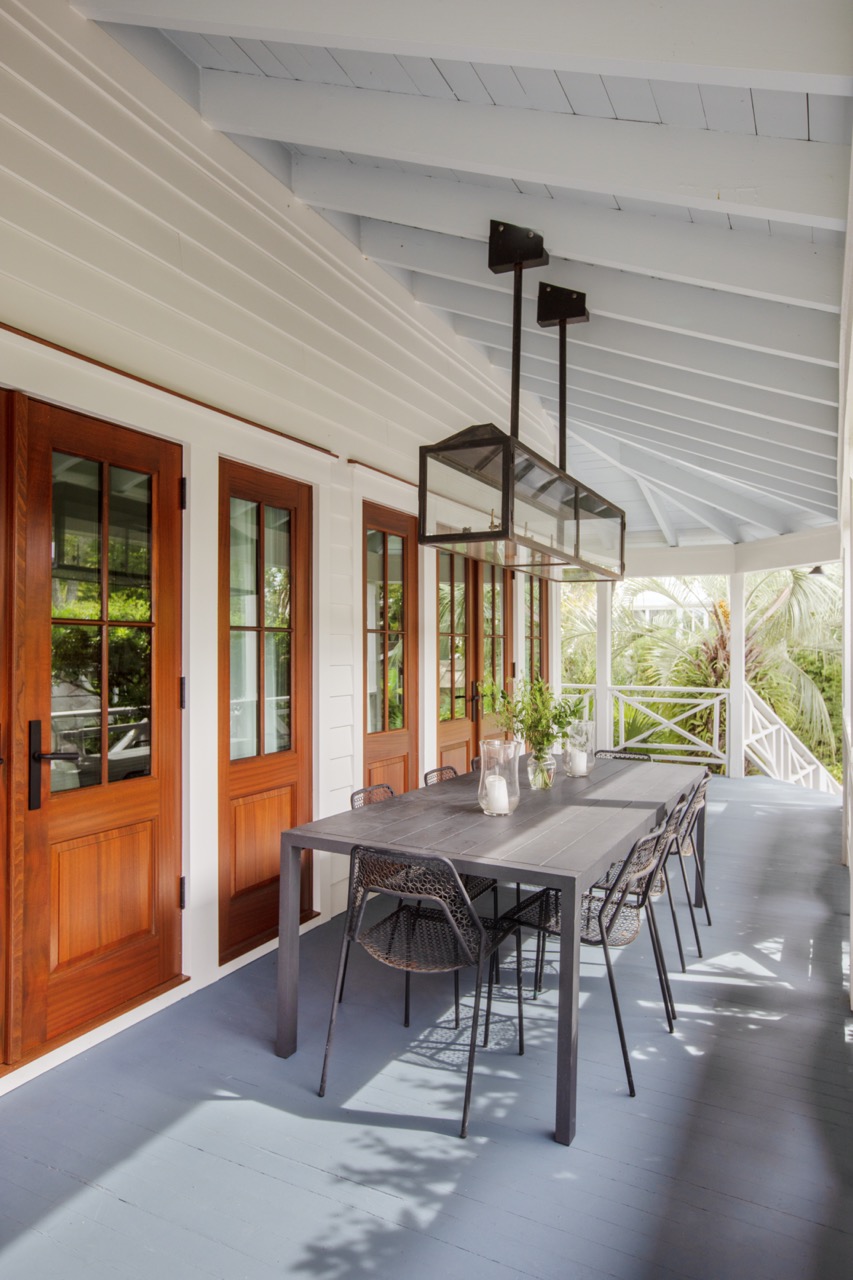
This classic island cottage reinvigoration is a close design collaboration between Sea Island's architect, Anita King, and the lovely ladies of Shem Creek Studios.
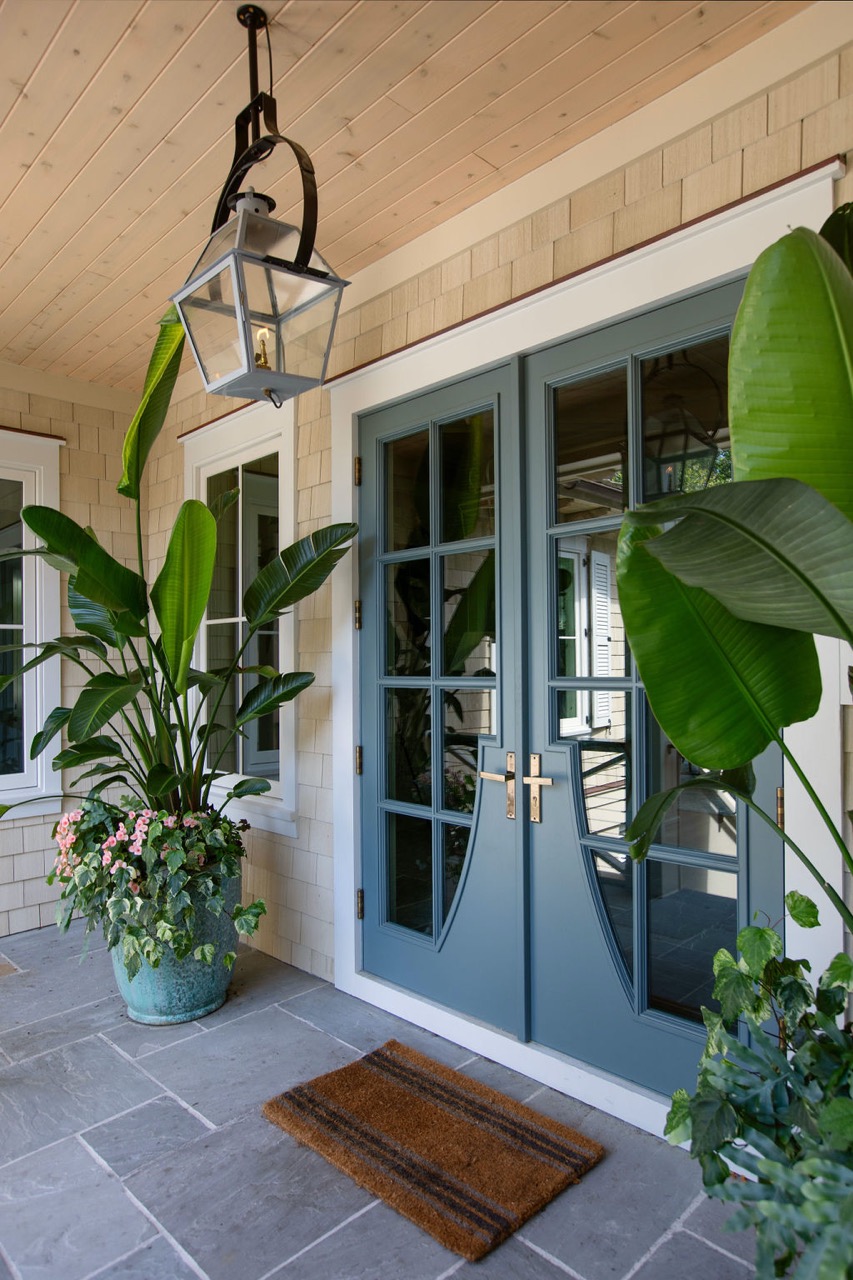
This custom designed Sullivan's Island beach front home is a design-build project with Sea Island Builders' own, Anita King.
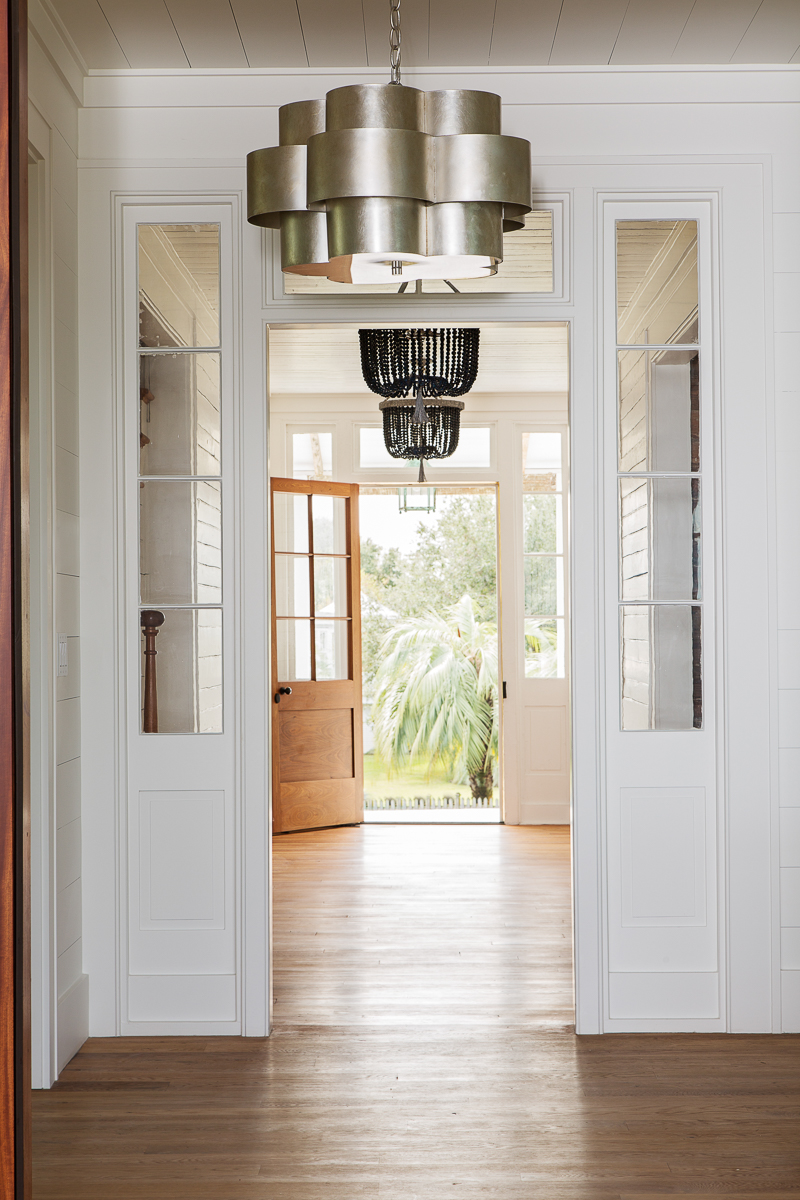
This design-build collaboration for a repeat client speaks wonders to a team-based project approach. This project was featured in Coastal Living Magazine